Automated Content Writing for Plumbers: Rank Higher, Spend Less Time
Last Updated: 2026-05-25
Automated content writing for plumbers helps busy contractors maintain consistent Google visibility without the time investment of traditional blogging—typically reducing content management from 3-4 hours per week to zero while keeping rankings competitive. Most plumbers get 60–70% of their calls from Google searches, yet treat their website like a yellow-pages listing. A managed content system changes that equation.
The operational reality for most plumbing businesses is stark: Google rewards websites that publish fresh, authoritative content consistently, but plumbers rarely have the bandwidth to maintain that publishing schedule. While competitors struggle with sporadic posting or abandoned blogs, plumbers using automated content infrastructure keep their authority building month after month—without touching a keyboard.
Why Most Plumber Websites Stay Invisible on Google
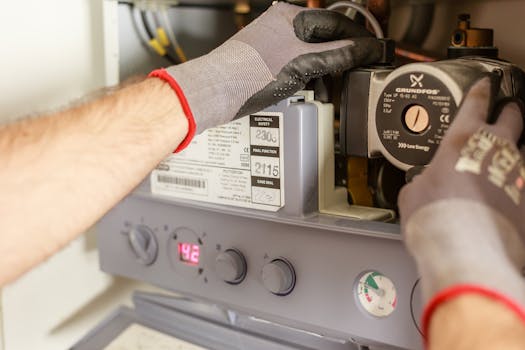
Want blog content like this for your business? FillMyBlog creates and publishes SEO-optimized posts automatically — $399/month, cancel anytime.
Your website exists. Your Google Business Profile is claimed. You might even have a few service pages describing water heater repair and emergency drain cleaning. But when homeowners search "emergency plumber near me" or "water heater replacement [your city]," your competitors appear first.
The missing piece isn't technical SEO or flashy design—it's consistent, recent content that signals to Google you're an active, authoritative business in your area. Google's helpful content algorithms favor websites that regularly publish useful, location-specific information. A plumbing website with no blog posts from the last six months looks stagnant compared to one publishing monthly content about local emergency rates, seasonal maintenance, and service area coverage.
Most plumbers recognize this gap but face an impossible choice: hire a marketing person they can't justify financially, spend precious weekend hours learning content strategy, or accept diminished visibility while competitors pull ahead. Local SEO for service-based businesses requires multiple signals working together, and content consistency is the foundation that makes everything else more effective.
The problem compounds over time. A plumber who published three blog posts two years ago and nothing since sends a clear signal to search algorithms: this business doesn't prioritize staying current or providing ongoing value to customers. Meanwhile, a competitor with twelve posts from the last twelve months—even if they're not perfectly written—demonstrates ongoing authority and relevance.
The Consistency Problem: Why Plumber Blogs Fail

Industry data shows 71% of small businesses abandon their blogs within six months, and plumbing businesses follow this pattern closely. The primary reason isn't writing ability—it's the operational overhead of planning, producing, and publishing content while running service calls, managing technicians, and handling emergency repairs.
A typical plumber attempting to blog faces this weekly cycle: spend Monday morning brainstorming topics, research what competitors are writing about, draft content Tuesday evening after calls, edit Wednesday, figure out SEO basics Thursday, publish Friday, then repeat. Even at maximum efficiency, this represents 3–4 hours weekly—essentially running a part-time marketing department.
The planning burden alone kills most efforts. What should I write about this month? Should I cover residential or commercial services? How do I make content local without repeating myself? These questions stack up until writing anything feels overwhelming, and the blog sits untouched for months.
Automated content writing for plumbers removes this entire operational layer. The editorial calendar, topic planning, local keyword integration, and publishing schedule are handled upstream. Your job becomes zero—monitoring results and acting on leads generated, not content creation.
Even plumbers who enjoy writing face structural challenges. SEO requires understanding search intent, local keyword research, proper heading structure, and meta descriptions. Publishing involves WordPress management, image optimization, and ensuring mobile compatibility. These technical requirements transform a simple "write about your services" task into a complex digital marketing project that most contractors haven't trained for.
How Does Automated Content Writing for Plumbers Actually Work?

Automated content writing for plumbers combines managed editorial systems with local business data to produce service-specific articles without manual input from the contractor. The process typically involves three components: content planning based on your actual services and coverage area, production through structured writing systems that understand plumbing terminology and local search patterns, and automated publishing that maintains consistent schedules.
The key differentiator from generic blog writing is service and location specificity. Instead of broad topics like "water heater maintenance tips," automated systems produce localized content like "emergency water heater replacement costs in Tampa" or "drain cleaning services for Westchase neighborhoods." This specificity matches actual search queries homeowners use when they need plumbing services.
Most systems begin by analyzing your Google Business Profile, service pages, and geographic coverage to understand what content will be most valuable. A plumber serving both residential emergency calls and commercial maintenance gets different editorial calendars—one focused on homeowner concerns like burst pipe costs and after-hours availability, another addressing property manager needs like scheduled maintenance and multi-unit building services.
The production process maintains consistent quality standards while incorporating your business details: service area boundaries, emergency rates, insurance acceptance, and seasonal considerations specific to your region. A Tampa plumber gets content about hurricane season pipe preparation; a Minneapolis contractor gets winter freeze prevention articles.
Publishing automation ensures content appears regularly without manual intervention. Articles are optimized for search engines, formatted for readability, and published according to predetermined schedules that maximize visibility and authority building over time.
What Automated Plumber Content Actually Costs
Most plumbers want straight numbers, not marketing promises. Here's the realistic cost comparison for a typical 3-5 person plumbing business:
Do-it-yourself blogging: 3-4 hours weekly × 50 weeks × $75/hour opportunity cost = $11,250-15,000 annually in owner time, plus inconsistent results and high abandonment probability.
Hiring a content marketer: $40,000-60,000 annual salary plus benefits for someone who understands both plumbing services and local SEO, assuming you can find and retain qualified candidates in your market.
Automated content systems: $300-800 monthly ($3,600-9,600 annually) for managed content infrastructure that produces 1-2 optimized posts monthly without operational overhead.
The ROI calculation becomes clear when you consider lead generation value. One additional service call monthly from improved Google visibility typically pays for automated content systems entirely. A plumber averaging $400 per emergency call needs just one extra monthly lead to break even on a $400/month content system.
The time recapture value is equally significant. Four hours weekly returned to service calls, estimate preparation, or business development activities represents 200+ hours annually—equivalent to five full work weeks of productive time that stays in revenue-generating activities rather than content planning.
Most plumbers find that local business content strategy requires either significant time investment or professional management, and automated systems provide the professional approach without the hiring complexity or operational management burden.
When Should Plumbers Use Automated Content Systems?
Automated content writing for plumbers makes the most sense for established businesses with steady service volume but weak online visibility. If you're getting most leads through referrals, repeat customers, or local networking but want to reduce dependence on those channels, consistent content builds the Google authority needed for organic lead generation.
Timing matters. Plumbers just starting their businesses often lack the service history and local presence to benefit fully from content marketing. Automated systems work best for contractors who've been operating 2+ years, have established service areas, and can handle additional leads if content succeeds in improving rankings.
Geographic competition is another key factor. In markets with 10+ established plumbing companies, automated content helps differentiate your business and capture searches that competitors aren't targeting consistently. Rural markets with limited competition might see results from simpler approaches, while dense urban markets typically require consistent content publication to maintain visibility.
The decision often comes down to growth goals versus operational capacity. Plumbers planning to expand service areas, add technicians, or transition from owner-operated to managed businesses benefit from early content investment that builds authority while they focus on operations. Contractors planning to maintain current size and rely primarily on existing customer relationships might prioritize other investments.
Service mix also influences effectiveness. Plumbers doing primarily emergency calls benefit from content that captures "near me" searches, while those focused on installation or commercial work need different content strategies targeting planned projects and property manager audiences.
Measuring Results: What Good Automated Plumber Content Delivers

Most plumbers see initial ranking improvements within 90-120 days of consistent content publication, with meaningful lead generation typically beginning in months 3-6. The progression follows predictable patterns: better Google Business Profile relevance scores first, then improved rankings for service + city searches, followed by increased website traffic and phone calls.
Tracking meaningful metrics matters more than vanity numbers. Website visits increase, but the important measurement is qualified leads—calls from homeowners who found your content while researching specific plumbing services. Good automated content should generate 2-4 additional monthly leads within six months for most established plumbing businesses.
Local pack visibility represents the most valuable outcome. When homeowners search "emergency plumber [your city]" or "water heater repair near me," appearing in the top three Google Business Profile results dramatically increases call volume. Content that directly addresses common customer questions—emergency rates, service area coverage, insurance acceptance—helps achieve and maintain local pack placement.
Rankings for specific service terms provide another measurable benefit. A plumber publishing monthly content about drain cleaning, water heater repair, and emergency services typically sees improved positions for "[service] + [city]" searches within 4-6 months. These aren't broad rankings; they're targeted visibility for searches that convert to service calls.
The compounding effect becomes clear over time. Each published post adds to overall domain authority and topical relevance. A plumber with 12 published articles about local emergency services, seasonal maintenance, and service area coverage ranks better for all plumbing-related searches than one with no recent content, even if individual posts aren't perfect.
Common Mistakes to Avoid with Automated Plumber Content
The biggest mistake plumbers make with automated content writing is expecting immediate results or treating it as a replacement for fundamental business operations. Content supports lead generation; it doesn't replace quality service, competitive pricing, or professional customer interactions.
Another frequent error involves geographic targeting. Automated content that tries to rank for every city within 100 miles dilutes effectiveness compared to content focused on actual service areas where you can respond to calls professionally. Better to dominate rankings for 3-5 nearby cities than appear weakly for dozens of distant markets.
Service specificity matters more than topic volume. Ten detailed articles about your core services (emergency repair, water heater installation, drain cleaning) outperform fifty generic posts about plumbing tips that don't match searcher intent or convert to calls. Local SEO content strategy should align with actual business capabilities and customer needs.
Some plumbers expect automated content to work independently of other marketing efforts. Content performs best when integrated with Google Business Profile optimization, customer review generation, and local citation management. It's one component of comprehensive local visibility, not a standalone solution.
Finally, avoid systems that produce obviously automated or generic content that could apply to any plumber in any city. Effective automated content includes specific local details, actual service information, and business-specific elements that demonstrate genuine local expertise and authority.
Frequently Asked Questions
How quickly does automated content writing improve plumber rankings?
Most plumbers see initial ranking improvements within 90-120 days of consistent content publication, with meaningful lead generation typically beginning in months 3-6. SEO is a long-term strategy that compounds over time rather than delivering immediate results.
What makes automated content better than writing your own blog posts?
Automated content systems handle the operational overhead—editorial planning, SEO optimization, local keyword research, and publishing schedules—that cause most plumber blogs to fail within six months. You maintain consistent visibility without the 3-4 hours weekly time investment.
Can automated content writing for plumbers handle emergency service topics?
Yes, effective automated systems produce content about emergency plumbing services, after-hours rates, seasonal concerns, and local service area coverage. The content includes specific business details like emergency availability and coverage areas rather than generic plumbing advice.
How does FillMyBlog ensure plumber content matches local search patterns?
Every article is tailored to your specific business, services, and location. Our content is produced through a managed system combining language models with editorial standards, local data, and SEO structure to create content that matches what homeowners in your area actually search for.
Related reading:
- The Content Velocity Trap: Ranking Without the Time Commitment
- Why Automated Local Content Fails (And What Actually Works)
- Automated Blog Systems vs. Your Time: Real ROI Math
Your blog should be working for you, not the other way around. FillMyBlog handles research, writing, SEO, and publishing — so you can focus on your business.