How to Measure Blog Content Marketing Results Without Wasting Time
Last Updated: 2026-06-02
Most service business owners publish blog content for months, check Google Analytics, see disappointing traffic numbers, and quit. The problem isn't that blogging doesn't work for local businesses—it's that they're measuring the wrong metrics and abandoning their strategy before content has time to compound.
To measure blog content marketing results effectively, track four key metrics: local search rankings for your core services, qualified organic traffic from location-specific searches, lead conversion rates from blog visitors, and the percentage of those leads that become paying clients. These metrics connect your content investment directly to revenue, unlike vanity metrics such as total page views or social shares.
The difference between successful service businesses and those that waste money on content comes down to patience and measurement discipline. Google typically requires 90-180 days for new content to establish meaningful rankings. Businesses that measure quarterly trends instead of monthly fluctuations see the compounding effect that drives consistent lead generation.
Want blog content like this for your business? FillMyBlog creates and publishes SEO-optimized posts automatically — $399/month, cancel anytime.
The Traffic Trap: Why Page Views Don't Equal Leads
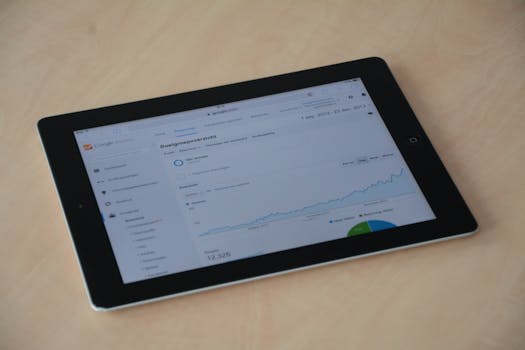
The biggest mistake service business owners make is confusing website traffic with business results. A plumber might publish 20 articles over six months, accumulate 2,000 total website sessions, and assume their blog is working because "people are reading it." Meanwhile, their phone isn't ringing any more than before they started.
Most blog traffic comes from informational searches that don't indicate buying intent. An article about "how plumbing works" might attract curious homeowners, but it won't generate emergency repair calls. The visitors aren't local, aren't experiencing a problem, and aren't ready to hire anyone.
Google Analytics makes this trap worse by prominently displaying total sessions and page views—metrics that feel important but don't correlate with revenue for service businesses. A dental practice that gets 500 monthly blog visitors from across the country feels busier online than one that gets 50 monthly visitors from their city, even though the second practice is likely generating more consultations.
When you shift to measuring qualified traffic instead, everything changes. A plumber who focuses on ranking for "emergency plumber near me" and tracks how many people call after reading that article discovers that 30 local visitors convert better than 500 random ones.
Four Metrics That Actually Predict Revenue

These four metrics connect your content directly to business outcomes. Unlike vanity metrics, each one maps to a specific point in your lead generation process.
Local rankings for your core services show whether your content is becoming visible to prospective clients. Track where your articles rank for searches like "dentist near me," "emergency plumbing in [your city]," or "personal injury lawyer [your area]." A chiropractor whose article on auto accident injuries ranks in the top five locally will see more consultation requests than one whose general wellness content ranks high nationally but low locally.
Qualified organic traffic measures visitors who found your blog through searches that indicate buying intent and geographic relevance. Use Google Search Console to identify which location-plus-service queries bring people to your articles. A law firm that attracts visitors searching for "estate planning attorney in [city]" has more valuable blog traffic than one attracting visitors searching for "what is estate planning."
Lead conversion rate from blog visitors tracks what percentage of your content readers take action—calling, submitting a contact form, or scheduling an appointment. Connect your blog analytics to your phone tracking system or CRM to see which articles generate inquiries. An HVAC contractor discovered that visitors to their "furnace replacement cost" article converted at 12%, while visitors to general maintenance tips converted at 2%.
Lead-to-client close rate reveals which content topics attract prospects who actually hire you. Not every consultation becomes a client, but certain article topics consistently attract higher-quality leads. A med spa found that blog visitors who read about specific treatment procedures were twice as likely to book and complete services compared to visitors who read general skincare advice.
These metrics work together to create a complete picture. High rankings without local traffic suggest content that's too general. High traffic without conversions indicates content that attracts the wrong audience. High conversion rates with low close rates might mean your content attracts price shoppers instead of ideal clients.
The 90–180 Day Patience Rule

Google's algorithm needs time to evaluate and rank new content, especially for competitive local search terms. When you measure blog content marketing results monthly, you're mostly seeing noise—temporary fluctuations that don't predict long-term performance. Most service business content requires 90-180 days to reach its ranking potential.
This timeline frustrates business owners who expect immediate returns, but it also creates opportunity. Competitors who quit after three months clear the field for businesses that maintain consistency. A dental practice that publishes one quality article monthly for two years will typically outrank a practice that published four articles weekly for three months then stopped.
Consistency compounds in ways that sporadic publishing cannot match. Google interprets regular publishing as a signal that your website is actively maintained and authoritative. More importantly, each new article creates additional opportunities to rank for relevant local searches.
The patience rule doesn't mean ignoring early indicators. Within 30-60 days, you should see your articles being indexed and appearing in search results, even if not on the first page. Use Google Search Console to verify that your content is being discovered.
Business owners often abandon their content strategy right before it starts working. The practice that publishes consistently through the initial lag period builds a library of ranking content that generates leads for years. The practice that quits after four months loses both their initial investment and the future compound returns.
How to Tie Blog Articles to Closed Deals

The most valuable measurement skill for service businesses is connecting individual blog articles to specific revenue outcomes. This requires tracking the complete path from search query to client payment.
Start with Google Search Console to identify which search queries bring visitors to each blog article. A roofing contractor might discover that their article "signs you need roof replacement" attracts visitors searching for "roof repair vs replacement" and "when to replace roof." These searches indicate people actively considering hiring a roofer.
Next, implement lead source tracking that connects inquiries to specific articles. When someone calls or submits a form, ask how they found you and note which page they visited most recently. Many CRM systems can automatically capture the referral source and landing page for web-generated leads.
Finally, follow leads through to closed deals and calculate the revenue generated by each article. A personal injury attorney discovered that their article on "what to do after a car accident" generated 15 consultations over six months, with 4 cases that produced $180,000 in fees. That single article justified their entire annual content budget.
Not every article needs to generate leads directly. Some articles build trust and authority that influences prospects who contact you through other channels. But your core service articles—those targeting "[your service] near me" searches—should show measurable lead generation within 6-12 months of ranking.
When you can demonstrate that specific blog content produces specific client revenue, content marketing shifts from a marketing expense to a lead generation investment with trackable ROI.
Building Your Measurement Dashboard

Effective measurement requires consolidating data from multiple sources into actionable insights. Most service businesses need three tools: Google Search Console for ranking and query data, Google Analytics for traffic patterns, and a CRM or call tracking system for lead attribution.
Check your core metrics quarterly, not monthly. Rankings fluctuate weekly based on algorithm updates and seasonal factors. Traffic varies monthly based on local events and industry cycles. But quarterly trends reveal whether your content strategy is building authority and generating consistent results.
Focus measurement on articles targeting your primary services and location. A chiropractor in Denver should track how their articles about auto injury treatment, sports injury care, and family chiropractic rank for Denver-specific searches.
Set realistic expectations based on your publishing consistency and competition level. A solo practitioner publishing monthly in a competitive market like legal or dental should expect slower progress than an HVAC contractor publishing weekly in a smaller city.
Frequently Asked Questions

How long before blog content starts generating leads?
Most service business blog content requires 90-180 days to achieve meaningful rankings and begin generating leads consistently. You should see initial ranking progress within 30-60 days, but lead generation typically doesn't reach sustainable levels until the three-to-six-month mark. Competitive markets and keyword difficulty can extend this timeline.
What's the minimum number of articles needed to see results?
Consistent publishing matters more than volume. One quality article monthly for 12 months typically produces better results than publishing four articles monthly for three months then stopping. Most service businesses begin seeing measurable lead generation after publishing 8-12 location-specific articles targeting their core services.
How do you track which blog articles generate phone calls?
Use call tracking numbers unique to your website and implement CRM systems that capture the page visitors viewed before calling. Google Analytics can show which pages precede contact form submissions. Many service businesses also ask new callers how they found you and note whether they mention reading specific content.
Can small service businesses compete with larger companies through blogging?
Local service businesses often outrank larger competitors by focusing on location-specific content and consistent publishing. A local dentist writing about "emergency dental care in [city name]" can outrank national dental chains for that search term. The goal isn't to generate thousands of visitors—it's to attract the right local prospects who are ready to schedule appointments.
When you measure blog content marketing results correctly, you'll discover that consistent, targeted content creates sustainable lead generation that compounds over time. Focus on the metrics that connect directly to revenue, maintain publishing consistency through the initial lag period, and track the complete path from search to client to understand your content's true business impact.
Related reading:
- How to Measure Content Marketing ROI Without the Time Commitment
- How to Measure Blog Content ROI and Boost Client Leads
- Measure Content Marketing ROI Small Business
Your blog should be working for you, not the other way around. FillMyBlog handles research, writing, SEO, and publishing — so you can focus on your business.